Tuesday, 4 February 2020

Automated optical detection applications in the industrial manufacturing sector

Shenzhen Sipotek Technology Co., Ltd. is a professional automatic visual inspection machine ,automated vision inspection system,industrial machine vision camera,automated optical inspection machine ,optical sorting machine manufacturer from china with low cost and high quality.
Automated optical sorting can be used to separate different grades of glass, paper, plastic and aseptic (Tetrapak) containers from a waste stream or from each other using a variety of sensing methods.
Suitable detection techniques are required to be coupled to microfluidic technology in order to analyze experiment outcomes in a sensitive and scalable way. The most common methods are optical detection techniques, electrochemical detection, mechanical analysis, spectroscopy methods (Raman spectroscopy, NMR spectroscopy) and mass spectrometry (MS) . This review represents a brief overview of the imaging-based detection techniques and systems for microfluidics and a final mention of the latest and innovative methods.
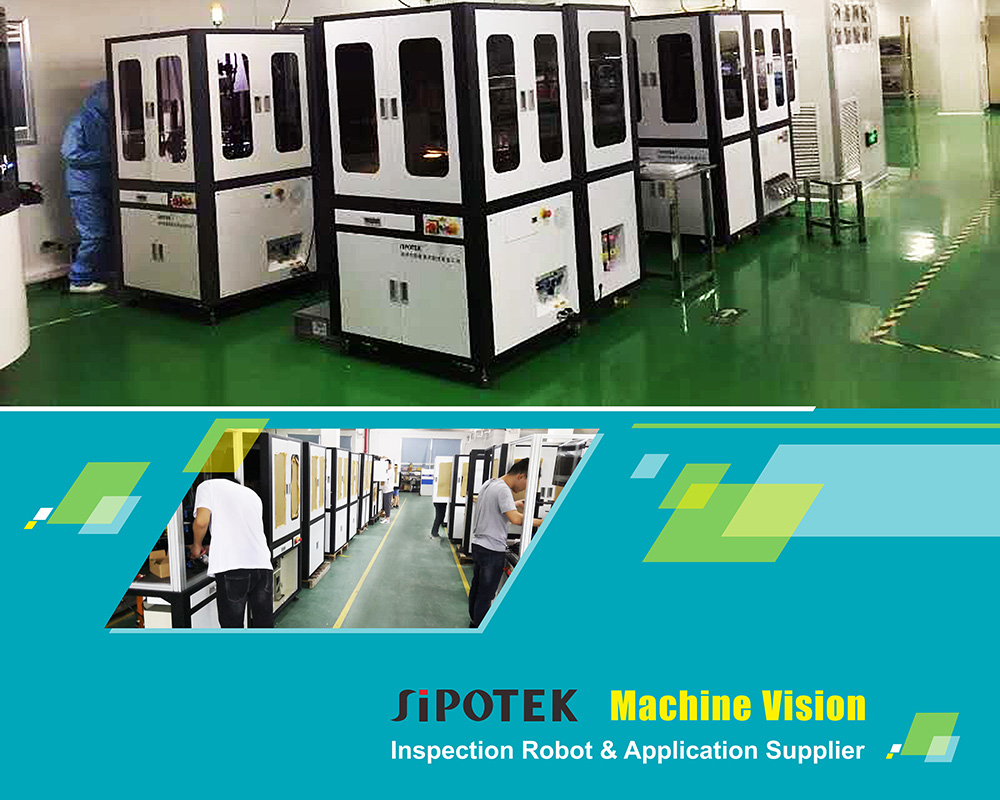
Sipotek Visual Inspection Machine 8
The challenge for manufacturers in the industrial sector embodies issues such as regulations, emerging technologies, global competition, innovation and creativity. From this arises the search for new and better ways of managing supply chains, reducing waste along with products outside the range, in turn increasing production yields.
For some, even small savings and improvements in minor processes we can be the difference between the success and achievement of building a strong brand or simply surviving and being a late occurrence. It is in this framework where the solutions of optical sensors such as spectrometers, cameras and multispectral sensors are available, robust and scalable tools for detection and application of knowledge, design and manufacturing experience.
Manage measurement in industrial environments
Spectroscopy studies how light interacts with matter. Spectral measurements involve bright light on a path of a sample and the capture of a spectrum that shows the wavelengths of light removed by the sample through absorption and dispersion. With information on how specific wavelengths of light interact with the samples in a process line, optical sorting machine manufacturers can identify the samples in real time through a spectral fingerprint or determine the chemical composition and concentration of the components.
The online monitoring of industrial processes allows optical sorting machine manufacturers to let their clients manage the production of raw materials to finished products. Optical detection measurements can be made in critical stages throughout the process, allowing rapid intervention when the parameters go beyond the specified ranges. A tightly controlled process leads to less waste and more sustainable product quality.
Spectroscopy is very suitable for industrial environments, where a large amount of information can be derived from instrumentation that is monitored for raw material, processes and finished products. Without contact, non-destructive spectral modifications are easily deployed through a production line for process monitoring and real-time control. Working imaging systems can be integrated into high contrast extraction process configurations of spectral information at specific visible and infrared wavelengths.
In industrial measurement key
  • Color measurements to ensure the uniform appearance of the product.
  • The consistency of glass or other coated products during the coating process.
  • Detection of defects in finished products, digital detection quality and consistency.
  • Endpoint detection for monitoring and control of semiconductor processes.
  • Identification of contaminants and adulterants.
  • Identification of incoming raw materials and quality assurance of products.
  • Intensity of light, color and quality measurement.
  • Monitoring of critical process parameters such as oxygen, pH and moisture content.
  • Selection and classification of products, including fruits and vegetables.
  • The tests and the qualification of the samples.
In addition, the flexibility in the selection of the detectors, the light sources and the sampling optics allows a deeper application of the instrumentation in the movements of the process, and makes the sea much simpler, the configurations for multipoint sampling and redundant detection.
Together, digital tools such as artificial intelligence and machine learning can be applied to massive data sets or used for complex spectral analysis, users to real-time information on sample quality, authenticity and other criteria.
For more about optical sorting machine,you can pay a visit to sipotek at https://www.sipotek.net/machines/
About Shenzhen Sipotek Technology Co., Ltd
Started in 2002, Sipotek Technology is located in Shenzhen in China. The company designs and manufactures visual inspection systems with its avant-garde R&D department and a great experience in artificial vision technologies. The Sipotek Technology staff supports customers 360 degrees, from listening to their requests to the development of ambitious machines for quality control.
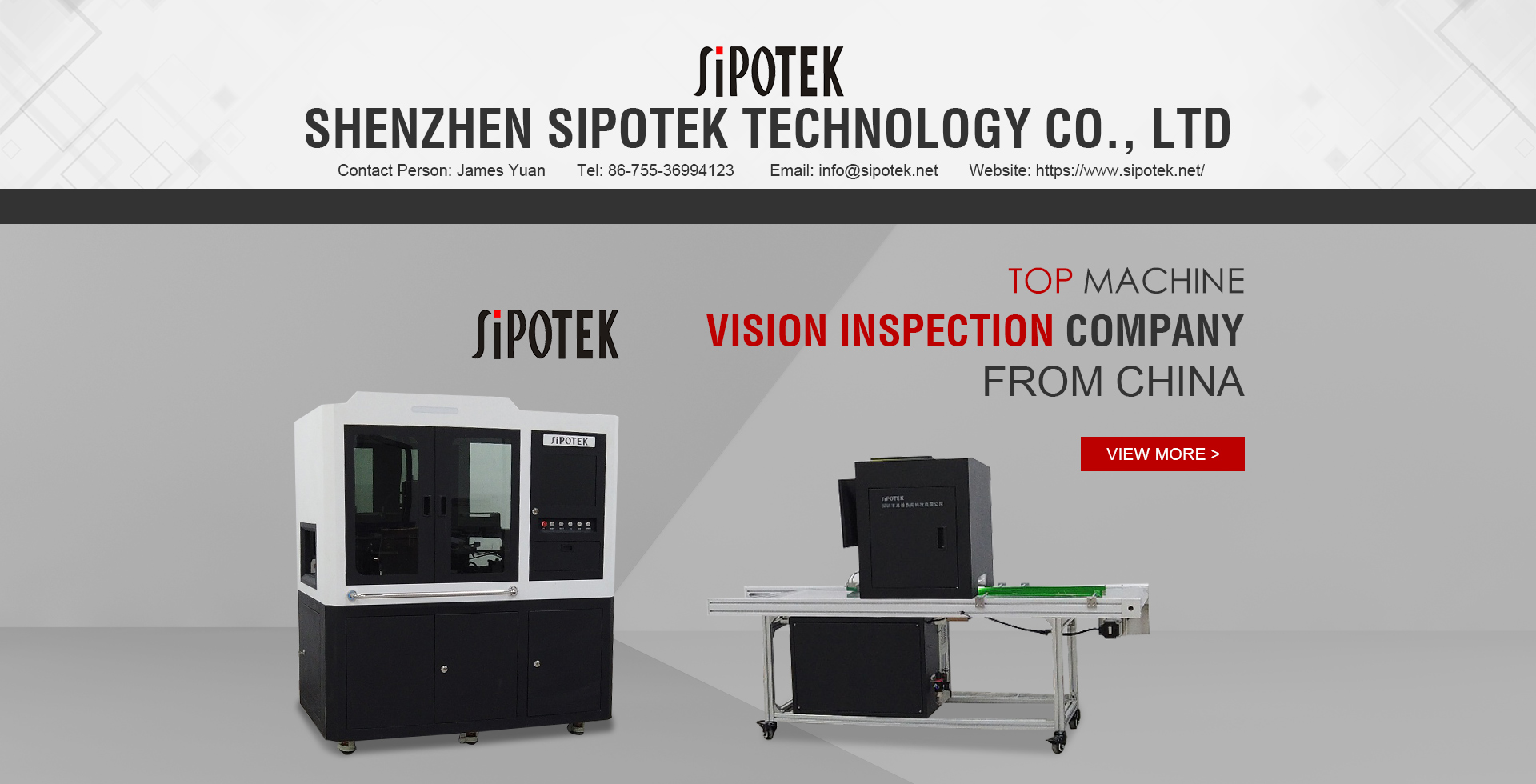
Sipotek Visual Inspection Machine
For Product Inquiries:
Contact Person: James Yuan
Tel: 86-755-36994123
             https://www.topvision.net

Monday, 3 February 2020

Non-invasive online and offline quality control: low cost automatic visual inspection systems with high resolution machine vision camera

Shenzhen Sipotek Technology Co., Ltd. is a professional automatic visual inspection machine ,automated vision inspection system,industrial machine vision camera,automated optical inspection machine ,optical sorting machine manufacturer from china with low cost and high quality.
In this paper we introduce Machine Vision System (MVS) for industrial quality control inspections presenting new perspectives with the recent developments of Artificial Intelligence (AI). A brief literature review is provided which indicates a substantial growth of machine vision new studies and an improved workflow is proposed to include these findings. Besides already existing machine vision solutions there is space to increase detection in quality control inspection and reduce current implementation constraints and technical limitations. The paper shows MVS new development and evinces that a deeper understanding of AI, MVS limitations is needed to provide a clearer path for future studies.
Sipotek Visual Inspection Machine 8
Today, the quality of the products produced in a company have become its fingerprint. If a company for different causes produces a poor quality product, it will automatically be banned by a large number of different buyers. That translates into a fairly high amount of losses for a company, a situation that can lead to a serious imbalance in recovering the investment.
However, we find the other side of the scale. A human quality control system is not infallible, and in turn, it is not profitable either: the costs rise enormously by having to rely on more human personnel to carry out this task
At that time, automated visual inspection systems enter the game. Making a crucial investment in such a machine allows us to review quality from labels, prints to more complicated things, such as components or parts. And best of all, this quality control is not invasive in any way.
The best explanation lies in the function that performs these systems. They have a series of viewers which form a conglomerate of total visual inspection, and acting under image processing and analysis, dictate the quality of a product with respect to its status, measurement, and other quality standards set.
This system is so precise that it allows through these different sensors the detailed inspection of a product in a non-invasive way, detecting any damage or factory damage that they do to any product, not suitable for its intended function.
The other quality is that being a machine, subjective evaluations are beyond what is considered, which improves the profitability and performance of this system, compared to an evaluation of human quality.
What advantages does this system have?
The first is that the development and installation of this system involves only a single investment. After this, a control plan is automatically created where quality is verified in a non-invasive way. From that moment the company begins to obtain benefits, given the way in which the detection of defective products begins to work, not only to discard them from the assembly line, but through this announcement the correction of the defects is allowed to that everything continues to be produced with the right specifications.
This brings several advantages such as:
– Increase in productivity by quantitatively increasing the final products useful for the use of raw materials
– Reduction of loss of raw materials by removing defective products for material use
– Cost reduction by dictating the best use of resources and greater profitability of production
– Better final product, which translates to more clientele
These different dictates make automated visual inspection systems the true path to the future of quality inspection in companies. The effectiveness of this system improves productivity in an excellent way, to the point that companies that begin to ignore this option run the risk of not being able to compete in a futuristic market of high caliber.
For more about visual inspection machine,you can pay a visit to sipotek at https://www.sipotek.net/machines/
About Shenzhen Sipotek Technology Co., Ltd
Started in 2002, Sipotek Technology is located in Shenzhen in China. The company designs and manufactures visual inspection systems with its avant-garde R&D department and a great experience in artificial vision technologies. The Sipotek Technology staff supports customers 360 degrees, from listening to their requests to the development of ambitious machines for quality control.
Sipotek Visual Inspection Machine
For Product Inquiries:
Contact Person: James Yuan
Tel: 86-755-36994123
             https://www.topvision.net

Sunday, 2 February 2020

Medical and pharmaceutical devices safety: automatic visual inspection and sorting machines in medicine industry

Shenzhen Sipotek Technology Co., Ltd. is a professional automatic visual inspection machine ,automated vision inspection system,industrial machine vision camera,automated optical inspection machine ,optical sorting machine manufacturer from china with low cost and high quality.
Vision inspection solutions, also called machine vision systems, are automated inspection systems and solutions based on an image technology, such as cameras or scanners.
Automated vision solutions allow 100% inspection of the labels and packaging. Pharmaceutical manufacturers, contract manufacturer organizations (CMOs) and contract packaging organizations (CPOs) use these solutions to improve line productivity and quality control.
Vision inspection solutions use artificial vision systems allowing an automated and systematic inspection. These artificial vision systems are part of what we call artificial intelligence (AI).
With 18 years of experience in artificial vision, and significant and continuous R&D investment year after year, Sipotek delivers automated inspection solutions that provide greater functionality, more precision and increased speed to help you become more efficient, day after day.
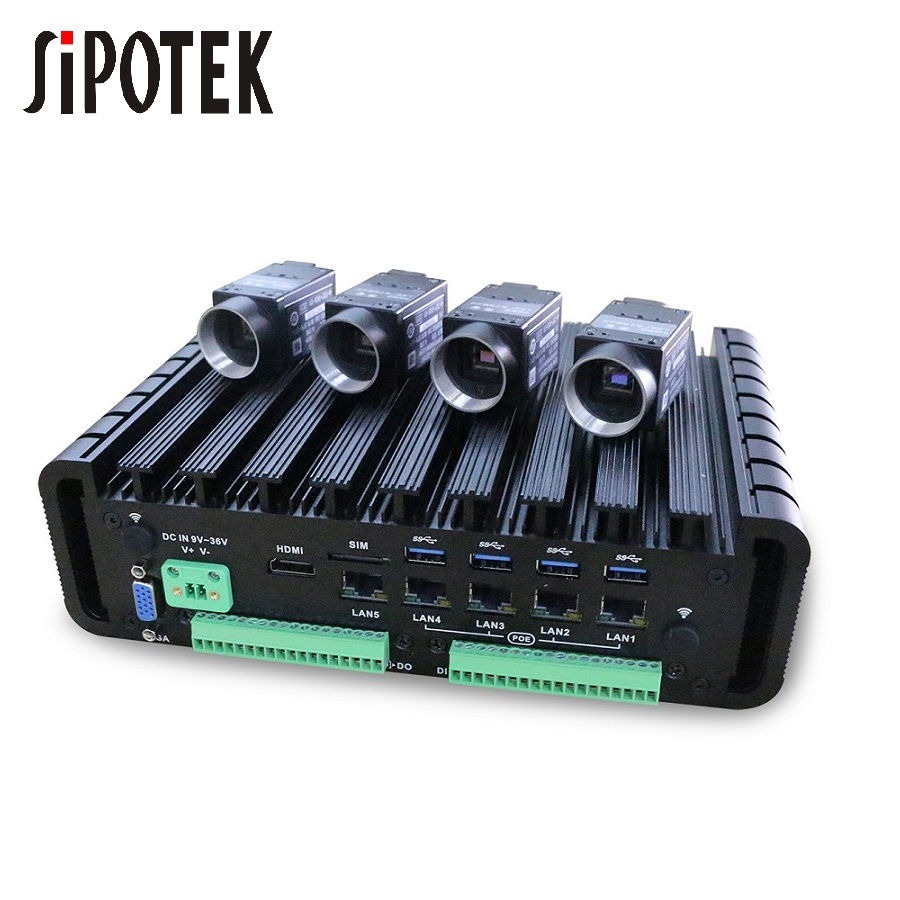
Sipotek Vision System Box
Taking into account the importance of the provision of the exact amount of a medicine inside a vial, it was not surprising that the human evaluation became obsolete.
In different fields of medicine, there is a guide to verify the status of a drug before giving it to a patient, since medical safety ends up involving many aspects, both of potential danger to the patient, and legal aspects harmful to the company that supplies the medicine.
From the legal aspect the verification of all medications and their imperfections is extremely important. The slightest damage can have serious consequences in the form of lawsuits to companies, therefore, legal security is also backed by these machines.
Given this, the medicine market has chosen to leave its quality check and inspection of medicines (especially in the area of ​​blisters) to visual inspection machines.
How do these visual inspection machines work?
Like visual inspection systems, machines operate on a smaller scale. Bottles, vials or ampoules are fed directly from a feed hopper, and pass to a wheel or transfer belt.
This transfer belt is where the true capacity of the visual inspection machine comes into play. All packages pass at a predefined speed through a visual system amplified by a magnifying glass. When the system detects an incorrectly filled bottle, it automatically indicates to the operator its failures. It is programmed to press a rejection switch, which sends the container out of the collection lot to a rejection lot.
This is the basic inspection system in filling machines. However, many pharmaceutical companies go further, and apply this process of visual inspection also to the labeling of the components of the medicines.
The surprising of all this, is the speed at which this procedure occurs. A base machine can fill and verify 2000 to 3000 containers in the one-hour interval. And everything happens with maximum efficiency, without letting a detail pass, something that greatly differentiates these machines from a human staff that could not work with such quality at such speed.
Visual inspection machine in medicine in other aspects
Machines in the medical field are not only responsible for monitoring the filling of medications. They also participate in more sensitive areas, such as the verification of medical instruments.
Several companies producing medical instruments have also opted for the use of visual inspection machines that detect damage quickly and safely in their products. In this way the products have become much safer in patients which has reduced complaints by those who use them, and have greatly increased the profits that these companies have.
But this does not end there, in terms of verification of medicine bottles, the machines are also for the verification of the quality of the bottles or containers in which they are packed. Any minimal routine could mean the inclusion of glass in a medicine, which could turn it into something deadly.
In this way, automated visual inspection has become an obligation in the medical industry, to have a much faster and better quality safe production.
For more about visual inspection machine,you can pay a visit to sipotek at https://www.sipotek.net/machines/
About Shenzhen Sipotek Technology Co., Ltd
Started in 2002, Sipotek Technology is located in Shenzhen in China. The company designs and manufactures visual inspection systems with its avant-garde R&D department and a great experience in artificial vision technologies. The Sipotek Technology staff supports customers 360 degrees, from listening to their requests to the development of ambitious machines for quality control.
Sipotek Visual Inspection Machine
For Product Inquiries:
Contact Person: James Yuan
Tel: 86-755-36994123
             https://www.topvision.net